The signs of hypothermia that all swimmers should know
Hypothermia can be a an issue for open-water swimmers, particularly those who swim at lower temperatures. John Wood explains the signs and what to do if someone your swimming with starts to show symptoms

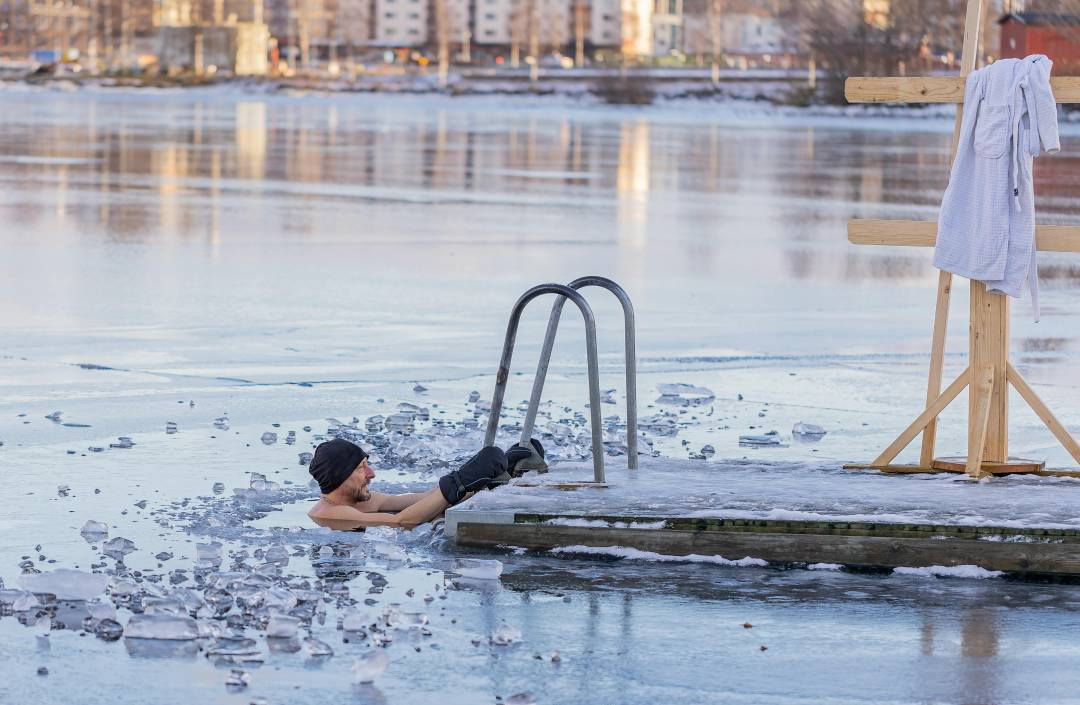
Hypothermia can become an issue when swimming in lower temperatures, even when wearing a triathlon wetsuit. To avoid serious issues, it’s so important to be aware of your body signals and those of the swimmers around you.
Cold exposure affects everyone differently, and conditions such as wind, fatigue, hydration levels, and body composition/weight can all influence how quickly symptoms of hypothermia start to appear.
Staying alert and checking in with each other regularly is one of the simplest and most effective safety measures you can take. In this article, I’ll cover a few ways to spot the signs of oncoming hypothermia that I share with my own athletes as a triathlon coach, as well as what to do if you start struggling in cold water.
What are the signs of hypothermia?

Mild hypothermia
Uncontrollable shivering and numbness, loss of simple coordination. You may struggle with basic movements or find tasks like gripping or balancing more difficult than usual.
Moderate hypothermia
Confusion and strange, inebriated-like behaviour, slurred speech. Decision-making becomes impaired at this stage, which is why swimming alone or ignoring early warning signs can quickly become dangerous.
Severe hypothermia
Blue-grey skin, slow or halted breathing, loss of consciousness. This is a medical emergency and requires immediate attention.

Increasing your movement won’t warm up your core body temperature, so it’s unlikely to delay the onset of hypothermia. While moving more may briefly make you feel warmer, it actually accelerates heat loss and burns energy faster, meaning you’re more likely to hit serious issues sooner rather than later.
If you begin to feel mild hypothermia, or suspect that there may be an issue, one useful trick is to count up to 10 and back to one repeatedly. Difficulty losing count, slowing down, or feeling mentally foggy are strong indications that you should get out of the water straight away.
Once you exit, immediately dry off and wrap up in plenty of towels, a nice thick changing robe, warm clothing, and hats to help your body retain and rebuild heat.
It’s a myth that you lose more heat via your head, but it is an area of the body that doesn’t always get covered, which means extra warmth can escape more easily if left exposed.
If you, or your friends, get to the state of severe issues, ensure that the person struggling stays conscious and communicative if possible, and make sure that medical attention is on its way quickly. Avoid rapid rewarming with hot showers or heat sources, as this can cause additional complications which I’ll cover below.
Things here can sound scary, but the onset of hypothermia occurs far slower than you might think. With awareness, preparation, and a calm response, there is usually plenty of time to rationalise your thoughts and take appropriate action.
The dangers of rapid rewarming

Rapid rewarming, such as jumping straight into a hot shower or sitting close to a strong heat source after being in a cold environment, can cause complications known as rewarming shock.
When the body is very cold, blood vessels in the limbs constrict; sudden heat causes them to open too quickly, pushing cold, acidic blood back toward the core. This can lead to a continued drop in core temperature (known as afterdrop), dizziness, confusion, or a sudden fall in blood pressure.
In more serious cases, rapid rewarming can place strain on the heart, increasing the risk of irregular heart rhythms or collapse.
For this reason, gradual, passive rewarming is recommended first. This involves drying off properly, insulating with towels and warm clothing, and allowing the body to warm naturally.
Hot showers and direct heat are generally fine for mild chill, but once hypothermia symptoms appear, slow and controlled rewarming is the safer approach.
For more tips on cold water swimming, coach Helen shares how to adapt to cold water swimming to extend your swimming into the off-season.


 John Wood
Swim coach
John Wood
Swim coach